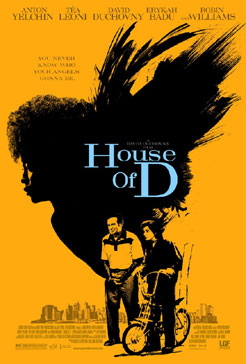
House of D
Director: David Duchovny
Cast: David Duchovny
Genre: Drama
Rated: PG-13

House of D
Review By: Staff
Staff@TheCinemaSource.com
House of D
Review by: Ray Dademo
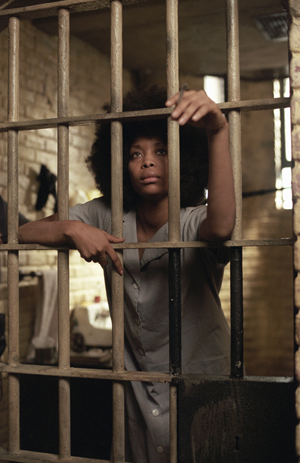
We know that this is New York, because the film tells us it is. There is bumper-to-bumper traffic and various cacophonies of sound. There are pimps shouting up to the barred windows of the Women’s House of Detention in Greenwich Village and girls who sip soda on penthouse balconies overlooking Central Park. The film tells us this is New York and it certainly looks the part. Still, something is slightly askew, here. This is not New York as we know it, but rather it is the Big Apple through the nostalgic eyes of a first-time filmmaker whose maiden effort is heavy on heart, if slightly lacking in panache.
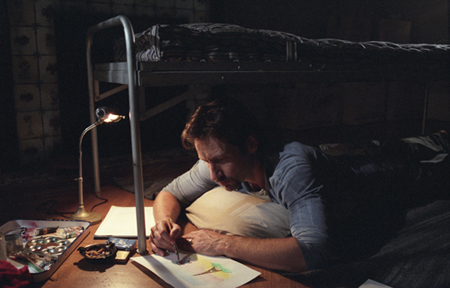
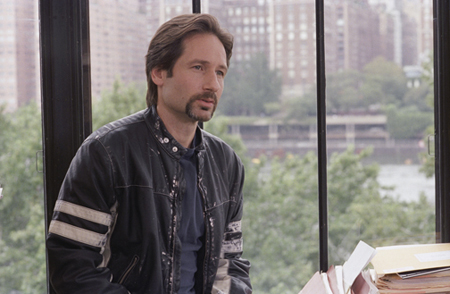
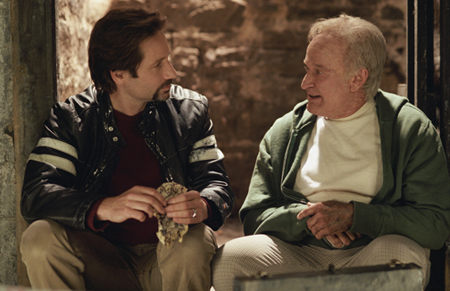
Though not necessarily autobiographical, David Duchovny‘s House of D is most obviously a personal tale, close to the filmmaker’s heart and exceedingly affectionate in its execution. As a result, each frame seems to be imbued with the director’s own sense of nostalgia and it is Duchovny’s joy that proves most infectious. While it’s refreshing to see so much affection on the silver screen, it is, at times, embarrassing to see it drift so suddenly into sappy and maudlin sentimentality. This uneasy truce between sugary ardor and sensible filmmaking proves to be Duchovny’s (and the film’s) weakest point. He is so in love with the story he is telling that he cannot gain perspective on it. Duchovny seems so enamored of film’s ability to look back, that he focuses too heavily on that aspect of the story. (Why else would he choose to play the older-version of the main character?)
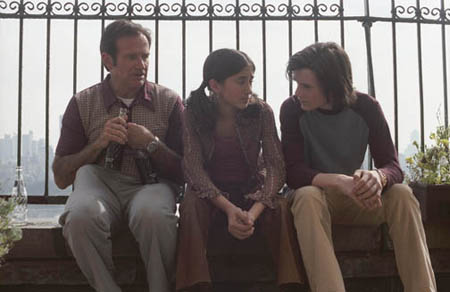
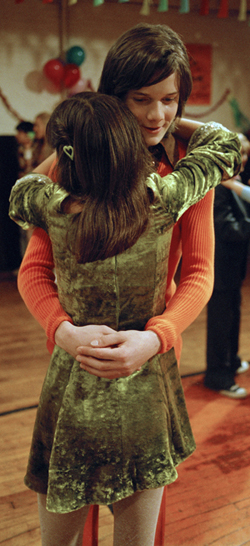
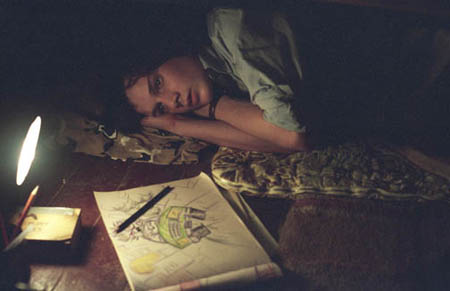
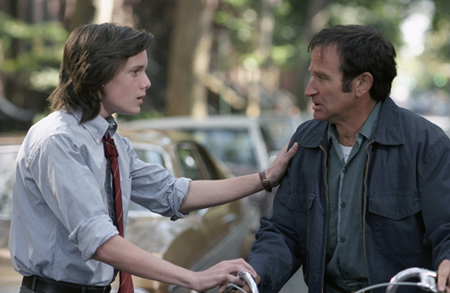
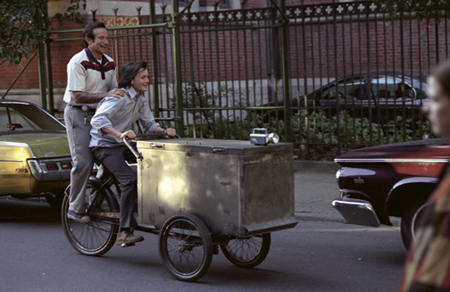
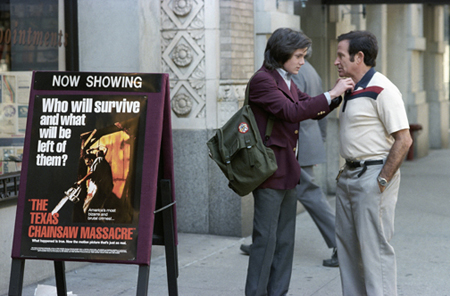
House of D works as a frame story, with the trials and tribulations of young Tommy (Anton Yelchin) being retold by Tommy’s adult counterpart (Duchovny). The bulk of the story involves Tommy’s harried and complicated coming-of-age in 1970′s Manhattan, but is constantly weighed down by the older Tom’s obnoxious and often inappropriate voice-over. At best, looking backward is a device and not a focal point. House of D lacks the effortless charm of Radio Flyer, The Man Without A Face, and This Boy’s Life, all touching looks backward at the half-humorous, half-painful time when boys become men. This is not meant to disparage Duchovny’s considerable talents as a director, but to criticize his clumsy and heavy-handed writing. As I said earlier, House of D does not deal with its subjects directly, but more accurately paints them as characters in the memory of the director. This is David Duchovny’s New York, a place with a moral on every street corner and a colorful stereotype to preach about it.
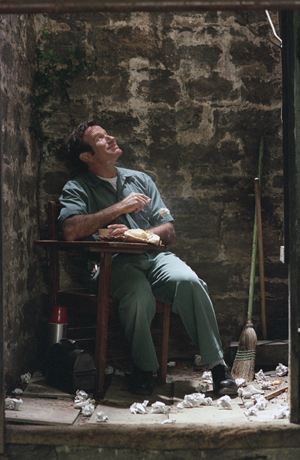
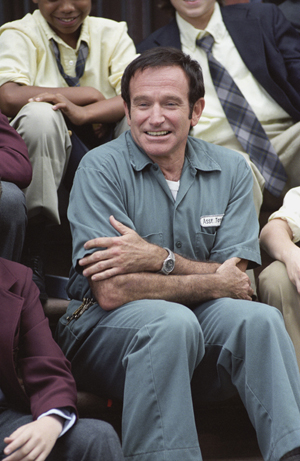
Aside from this claustrophobic voice-over, the film fails most noticeably in its casting of Robin Williams as Pappass, Tommy’s mentally-challenged best friend. Williams is one of those brilliant performers who can infuse a role with the melancholy sadness only a clown can provide. His performances in
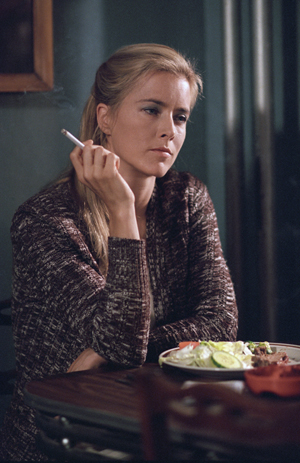
The overkill factor sets in from the beginning, but a few performances manage to stand out from the rest. Anton Yelchin gives a wonderful performance, capturing all of Tommy’s strengths and foibles, but running out steam when real catharsis hits. Tea Leoni manages to erase all memories of Spanglish with a more grounded turn as a similarly hysterical mother and Frank Langella is, as always, a welcome presence as Tommy’s principal.
Still, it is Erykah Badu who succeeds best in being effective on both an emotional and believable level. She fires on all cylinders, turning what might have been a blandly written mentor role into something of grit, fire and, yes, music.
If House of D is ultimately a misguided attempt for David Duchovny, it is a largely inoffensive one. If it seems contrived at points or never fully escapes its overtly saccharine plot devices, the film, as a whole is worth seeing for the tremendous amount of adoration it is made with. This heart is what ultimately saves House of D from its sappy and often gauche twists and turns; a life preserver in a sea of clumsy plot conventions.
Movie Grade: B-