
The Manchurian Candidate
Director: Jonathan Demme
Cast: Denzel Washington, Meryl Streep, Jon Voight
Genre: Thriller
Rated: R
The Manchurian Candidate
Review By: Staff
Staff@TheCinemaSource.com
Click Here For Our Interview with Denzel Washington
Click Here For Our Interview with Meryl Streep
The Manchurian Candidate
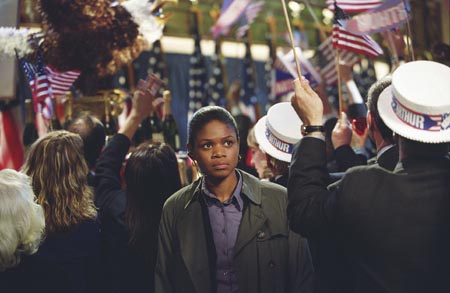
Denzel Washington brings out the best in every director, but his surprising and brave performance as a conflicted lawyer in Philadelphia put Jonathon Demme on the map as one of the finest directors in cinema today. Naturally, when I heard about them paring up again for a remake of the topsy-turvy political thriller The Manchurian Candidate, I had high hopes for the film. The original starred Frank Sinatra as disgraced, paranoid and possibly delusional Captain Marco, and Angela Lansbury as the cold, calculating and charismatic senator. The fate of the re-make seemed even brighter with Maryl Streep taking on the role of Senator Eleanor Shaw and the always dependable Leiv Shreiber and fetching up-and-coming actress Kimberly Elise rounding out the cast. The film, unfortunately, does not live up to the quality of it's cast or the aspirations of it's director; instead it becomes a bloated, self-important, overly-long and convoluted film-going experience, one that will find viewers not on the edge of their seats, gasping in anticipation, but slumped and exhausted, rolling their eyes and twiddling their thumbs until the ending credits roll.
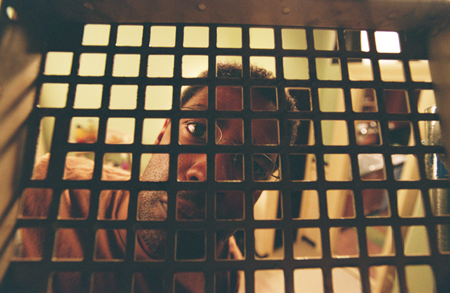
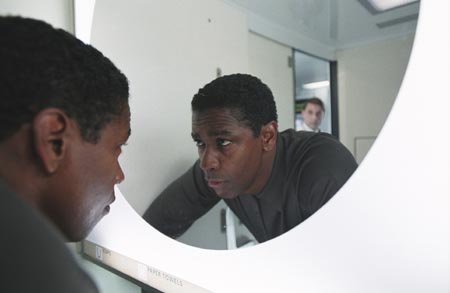
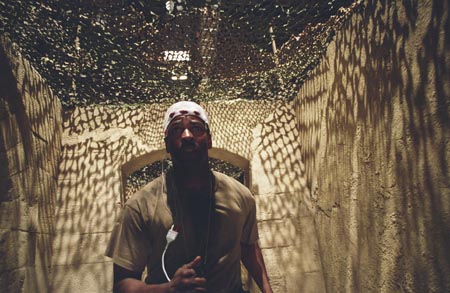
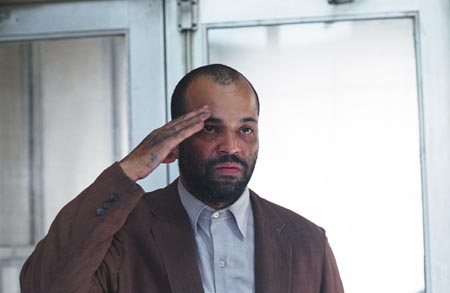
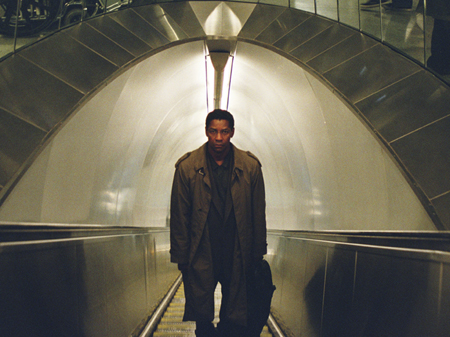
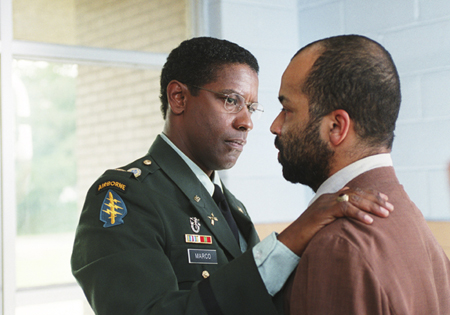
It's hard to pinpoint where exactly the whole thing begins to fall apart. It starts out energetically enough with quick shots of a rowdy group of soldiers playing cards in the trunk of their Humvee. The bottom of the screen ominously reads "Kuwait, 1991."Â They are interrupted by awkward outsider Raymond Shaw (Shreiber) and told to prepare for what looks to be no more then a routine mission, led by their Captain Srgt. Marco. (Washington) Inevitably something goes awry, Srgt. Marco loses consciousness and when he wakes up two of his men are dead and Raymond Shaw has been awarded the Congressional Medal of Honor for his acts of heroism. Ten years later Srgt. Marco is singing Shaw's praises to eager young boy scouts, all the while trying to quell the nagging feeling that his words are false. He takes No Doze to avoid his disturbing dreams of burka-clad women and masochistic doctors and he eats nothing but Ramen soup and Tomatoes. When a former member of his unit confronts him with similar dreams and a notebook of maniacal scribbling, Marco is unable to ignore his suspicions any longer.
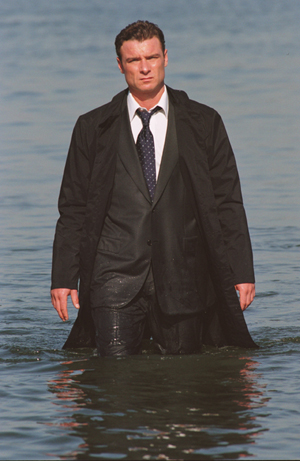
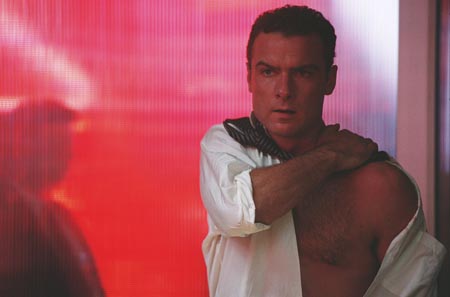
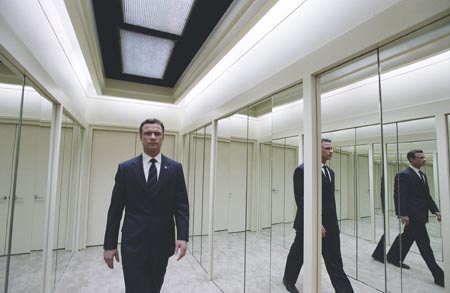
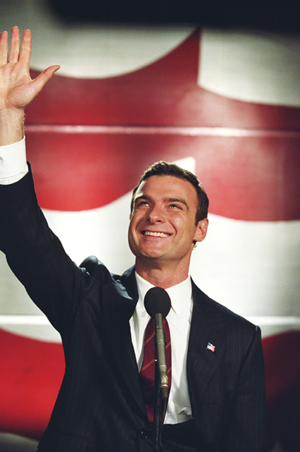
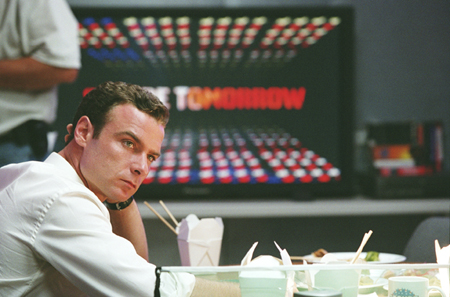
The focus of his paranoia is Raymond Shaw who has rode that Congressional Medal all the way to the Vice Presidential nomination. Along with the gentle prodding of his mommy dearest (Streep), Shaw is poised to hold the second-most influential post in the nation. While I adore Shrieber, his performance in the film is maddeningly devoid of emotion. Indeed, he is believably brainwashed and manipulated by some whdaowy secret force, but his dead-stare and sickly pallor completely undermines his believability as a charismatic political candidate.
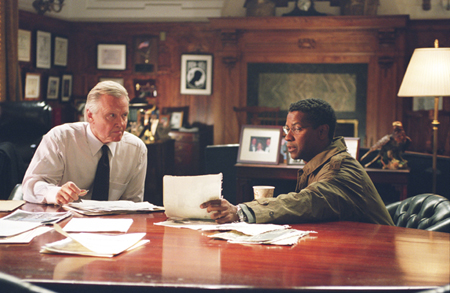
Washington too gives a maddeningly vague performance, sometimes seeming coherent and lucid and other times completely insane. The gimmick of not letting the audience in on whether he's delusional or sane gets old quick, and by the time we're supposed to believe his story of brainwashing and political manipulation we've been tugged to and fro so many times that we don't really even care anymore.
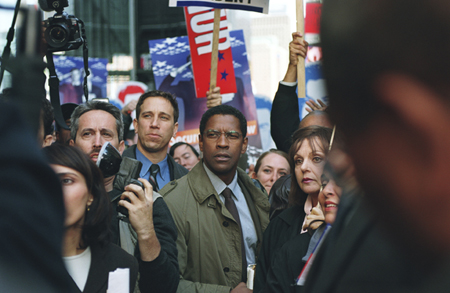
Much has been made of this film's political implications; in these politically fraught times, viewers were incited and excited by previews that seemed to slyly denounce the current administration and the corporate interests behind the war in Iraq. But Republicans can breathe a sigh of relief for the plot is so far-fetched it would take a seriously deluded mind to compare the clichéd, tired propping and brainwashing methods of Manchurian Corporation to Chaney's vested interests in oil production in Iraq.
The lesser controversy of the film is the apparent similarity of the character of Streep's manipulative New York Senator to a certain Hilary Clinton, yet that rumor too fails to live up to its juicy promise. Streep's performance is deliciously evil and the film does jump start or regain its momentum when she is on screen, but when she's gone all we have is Washington's 'is-he-crazy/is-he-sane' flip-flops, Shrieber's moroseness and a bunch of minor characters who go from good to bad, trustworthy to evil and back again at the flip of a switch.
All in all, The Manchurian Candidate will probably go down in history as a misguided attempt to re-tell a story that really should have been left alone. The original was bizarre, wacky and Freudian, tinted by the paranoia of the Cuban Missile Crisis and the post-McCarthy fear of group-think. The original Manchurian Candidate resonated not because it presented familiar themes (war, sand, soldiers, corrupt government officials), but because it presented emotions (fear, paranoia, anger and confusion) that were universal to its audience. The director, the producers and the actors may have hoped that people would gather after this movie to debate the political implications, and subversive undertones, but I imagine most movie-goers, like myself, will want nothing more then to walk out to of the theater, shake out their sore limbs, lament the waste of such a good cast and forget about the whole convoluted affair.
Movie Grade: B-
Synopsis:
In the midst of the Gulf War, soldiers are kidnapped and brainwashed for sinister purposes